Minimalist Wildflower Floral Line Art
A Breath of Airy Botanical Elegance for Boutique Apparel
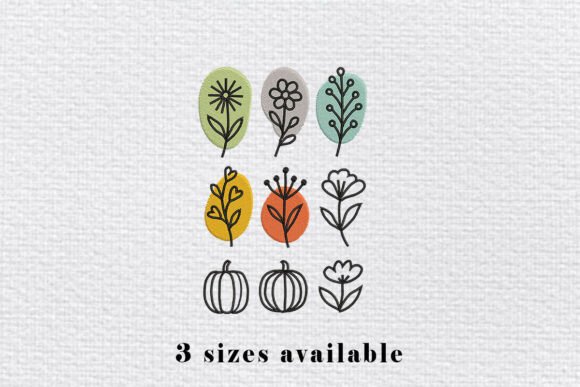
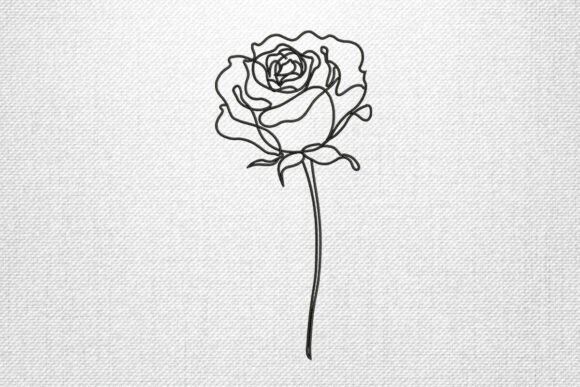
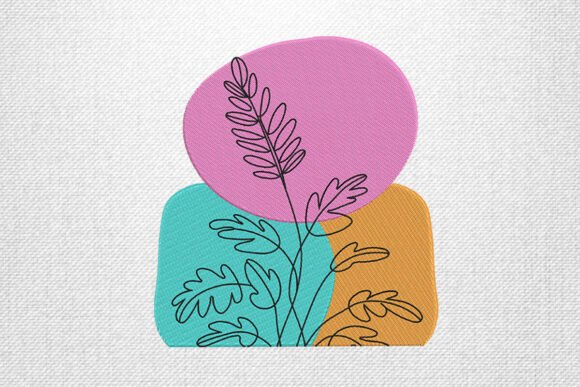
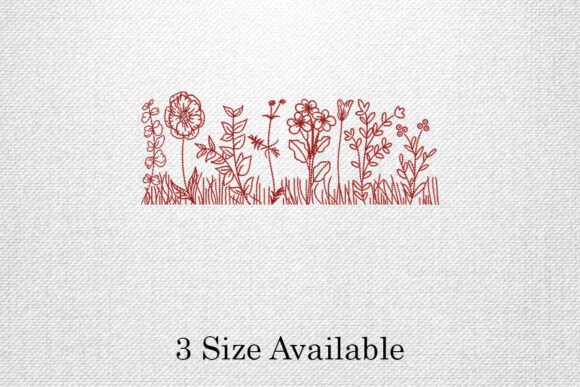
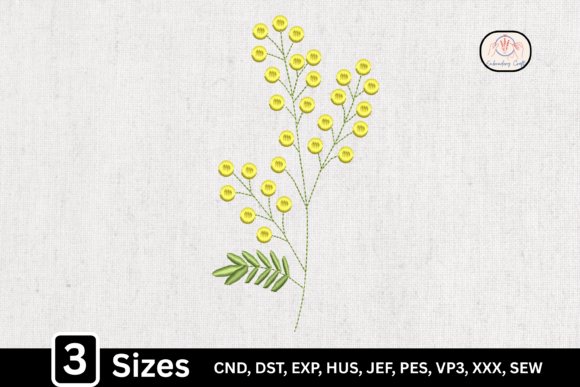
As an embroidery designer who’s stitched over 300 small-batch apparel collections—from linen tees to heavyweight hoodies—I opened Minimalist Wildflower Floral Line Art expecting simplicity. What I found was something more intentional: a quiet confidence in line weight, rhythm, and negative space. This isn’t just another outline flower—it’s a carefully paced botanical gesture. The stems are slender but grounded, the branches breathe outward without clutter, and the petals land with soft, hand-guided irregularity—not rigid symmetry. It reads as premium, feminine, and quietly modern—never cutesy, never dated, never overstated.
How It Performs Across Real Apparel Surfaces
Sweatshirt embroidery is where Minimalist Wildflower Floral Line Art truly earns its place. On neutral heather grey or oatmeal fleece, the clean lines pop without aggression—ideal for chest placement on oversized crewnecks or cropped sweatshirts. Because it’s an Outline Flowers design with low stitch density, it lies flat and flexible, avoiding that stiff, puckered look common with dense fill motifs. No need for heavy cutaway stabilizer; medium-weight tear-away works beautifully—even on brushed-back cotton blends.
For hoodie design, try it subtly on the left sleeve cuff or along the bottom hem curve. Its linear nature adapts well to gentle contours, and the airy spacing prevents distortion when fabric stretches during wear. On dark garments—navy, charcoal, deep burgundy—the right thread color (think matte ecru, stone grey, or dusty sage) makes it feel like part of the fabric’s texture rather than applied decoration.
Minimalist Wildflower Floral Line Art also shines on lightweight pieces: t-shirt embroidery at the nape or pocket edge adds refined detail without weight; on denim jackets, it traces collar edges or back yokes with effortless cohesion; and on structured totes or drawstring bags, it balances utility with understated charm. It’s equally effective in seasonal collections—paired with cream knits in fall, linen-blend tees in spring, or organic cotton robes in summer.
Where Placement & Fabric Matter Most
This design rewards thoughtful execution. Avoid placing it directly over high-stretch zones like underarm seams or curved side panels unless you’ve tested stabilization first. Ribbed fabric (like hoodie cuffs or turtleneck bands) can distort fine stems if hooping tension isn’t consistent—so always test on scrap rib knit before full production. Likewise, curved surfaces—like the rounded shoulder seam of a raglan sleeve—benefit from slight digitizing tweaks (a light curve adjustment in your embroidery software) to keep lines flowing naturally.
Because it’s a machine embroidery design built on precision linework, tiny lettering or monogram integration isn’t part of this file—but that’s intentional. Its strength is singular focus: one expressive botanical gesture per garment. That restraint actually elevates perceived value. Buyers notice the intentionality—not just “a flower,” but *this* flower, placed with care.
Why It Strengthens Your Boutique Brand Identity
For Etsy sellers and small shop owners, consistency builds recognition—and Minimalist Wildflower Floral Line Art delivers visual continuity across product types. Use it identically on sweatshirts, tote bags, and matching lounge sets, and customers begin to associate that delicate stem motif with your brand’s calm, nature-rooted aesthetic. It supports storytelling without shouting: think “slow fashion,” “hand-finished detail,” “thoughtful gifting.”
In lifestyle product photos and printable mockups, it photographs cleanly—no stray threads, no glare from dense satin stitches. That translates directly to stronger social media graphics and higher click-through on Etsy listings. And because it avoids trend-chasing clichés (no neon gradients, no maximalist layering), it stays relevant season after season—reducing the need to constantly refresh your core embroidery library.
Practical Designer Notes Before You Stitch
Before committing to a full run:
- Test on scrap fabric that matches your final garment’s weight, stretch, and finish—especially if using fleece, French terry, or textured weaves.
- Confirm stabilizer choice: Medium tear-away for stable knits; light cutaway for high-stretch blends. Skip heavy fusibles—they mute the airiness.
- Review thread color contrast against your base fabric. Matte cotton threads (like Isacord or Madeira) enhance the hand-drawn feel better than glossy polyester.
- Check hoop size and placement margins—some versions may include multiple layout options (single bloom, small cluster, or extended vine). Choose based on your intended use: chest logo? Sleeve accent? Back panel flow?
- Inspect stitch density in your embroidery software—if it feels too sparse for your fabric, a single pass of light tack-down stitching can anchor stems without compromising minimalism.
- Compare placement options digitally first: overlay the embroidery file on a garment mockup to assess scale and proportion—especially on oversized or petite silhouettes.
- Verify licensing terms on Creative Fabrica before selling finished apparel. This is a digital embroidery file intended for commercial embroidery products—confirm permitted uses match your business model.
Final Thought: Less Is Anchored, Not Empty
What makes Minimalist Wildflower Floral Line Art stand out among Creative Fabrica embroidery offerings isn’t complexity—it’s clarity of purpose. It doesn’t try to be everything. It’s a single, confident line echoing wind, growth, and quiet resilience. For custom apparel makers building a boutique brand rooted in authenticity—not volume—this is the kind of embroidery file that quietly raises perceived value, invites repeat customers, and lets the garment itself remain the hero. It’s not filler. It’s framing.