Botanical Plants Embroidery Design Review
A First Impression That Speaks to Values, Not Just Aesthetics
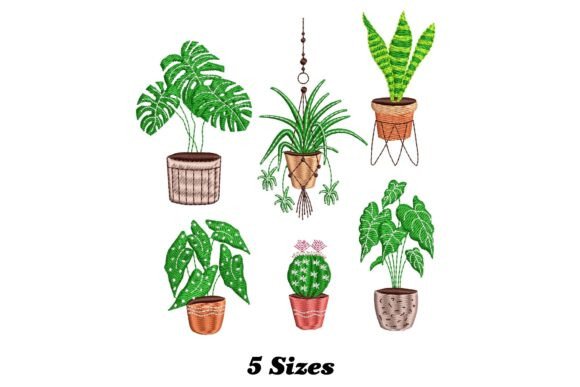
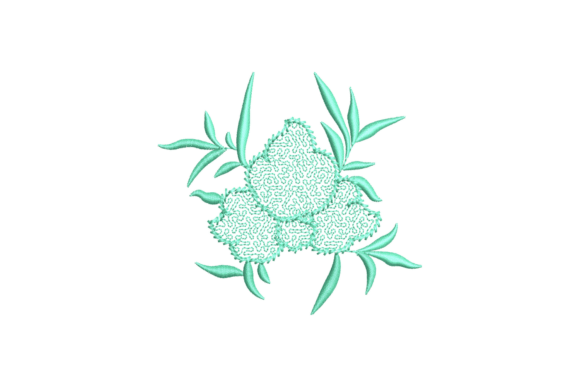
As an embroidery designer who’s developed hundreds of machine embroidery designs for small business merch, my first read on Botanical Plants is immediate and telling: this isn’t just decorative—it’s intentional. The phrase “delicate, hand-drawn-style leaves and stems” signals authenticity, approachability, and a quiet confidence. It reads as eco-conscious, artisanal, and human-scaled—not corporate or mass-produced. For a café, florist, boutique, or handmade studio, that tone is gold. It supports brand identity without shouting; it invites trust through subtlety, not saturation.
Where Botanical Plants Shines in Real Business Use
Botanical Plants excels where small businesses need versatile, scalable, and emotionally resonant branding—especially when physical touchpoints matter. As an embroidered patch, its organic flow translates beautifully onto denim jackets, tote bags, and aprons: the stems curve naturally with garment contours, and the leaf shapes hold visual weight without overwhelming. On staff uniforms—think baristas in linen aprons or florists in cotton tunics—the design reads as thoughtful, not trendy. It reinforces care, craft, and connection to nature—key differentiators for local and values-driven brands.
For cap embroidery, position it cleanly above the visor or subtly on the side gusset: its open composition avoids bulk, and its hand-drawn softness contrasts elegantly with structured headwear. On tote bag design, it works equally well centered on the front panel or scaled down as a repeating motif along the hem—ideal for eco-branded retail or farmer’s market merch. As a chest logo accent on work shirts or a sleeve detail on boutique merchandise, Botanical Plants adds distinction without demanding attention. And because it’s rooted in botanical realism—not abstraction—it reads clearly across age groups and contexts, from Etsy packaging accents to customer gift tags.
Use With Intention: Where Caution Applies
Like any strong design, Botanical Plants rewards thoughtful placement—and reveals limitations under pressure. At very small patch sizes (under 2 inches wide), delicate stem lines and fine leaf veins may lose definition, especially on textured fabric like canvas or twill. Cap fronts with tight curvature can distort slender elements if digitized without proper underlay or stitch direction adjustment. Avoid placing it on dark uniforms without verifying thread color contrast—light greens or creams may vanish unless paired with high-visibility thread colors like olive, sage, or charcoal grey.
High stitch density isn’t implied by the description, but the “delicate, hand-drawn-style” suggests fine outlines and possible fill gradients—so always test stitch density on your target fabric. Overly dense fills on lightweight aprons or pillowcases risk stiffness and poor drape. Also, avoid using Botanical Plants as primary branding on items requiring frequent washing (e.g., restaurant staff aprons) unless you confirm stabilizer compatibility and thread durability—natural fibers + repeated laundering demand robust digitizing and testing.
How It Strengthens Brand Identity and Customer Connection
Small business merch lives or dies on perceived authenticity—and Botanical Plants delivers that instantly. Unlike generic leaf icons or overused laurel motifs, its hand-drawn quality signals human effort, not algorithmic repetition. That nuance elevates handmade product perception, increases buyer engagement, and supports premium pricing. When customers see it stitched on a bakery’s linen napkin or a pet brand’s organic cotton bandana, they don’t just register “plant”—they register *care*, *intention*, and *local craft*.
Visually, it creates consistency across touchpoints: the same stem curve appears on a tote bag design, a cap embroidery layout, and a printable mockup for client approval—building recognition without rigid repetition. That flexibility makes it a core design asset, not a one-off decoration. For Etsy sellers and creative studios, pairing Botanical Plants with cohesive typography or minimal monograms creates a unified visual language that strengthens recall and professionalism.
Practical Embroidery Designer Notes for Commercial Use
Before committing to production, run these checks:
- Test the digital embroidery file in black and white first—this reveals spacing issues, overlapping elements, and legibility at scale.
- Check how Botanical Plants renders at your smallest intended patch size (e.g., 1.5" x 1.5"). Does the stem remain distinct? Do leaves retain shape?
- Review thread color contrast on your target fabric swatches—especially for darks and heathers.
- Inspect spacing between stems and leaves: tight gaps may close up during stitching on unstable fabrics.
- Confirm hoop size compatibility—some hand-drawn botanicals require larger hoops for smooth tension control.
- Always test on real fabric with your preferred stabilizer. A lightweight tear-away may not support delicate stems on knits; a cut-away could add unwanted rigidity to apron embroidery.
- Create a printable mockup for client approval—showing Botanical Plants on actual garment types builds confidence before stitching begins.
- Compare it beside your other design assets: does it complement—not compete with—your logo, monogram, or tagline?
- Verify commercial licensing status. Though listed under Freebies, confirm whether this Embroidery file permits unlimited small business merch use, resale, or derivative work—don’t assume.
Remember: even the most beautiful machine embroidery design fails if it doesn’t serve function first. Botanical Plants succeeds because it balances artistry with adaptability—making it a smart, sustainable choice for custom apparel, branded patches, and every stitch of small business merch that aims to feel human, grounded, and true.