Botanical Floral Duck
A Thoughtful First Impression for Boutique Apparel Designers
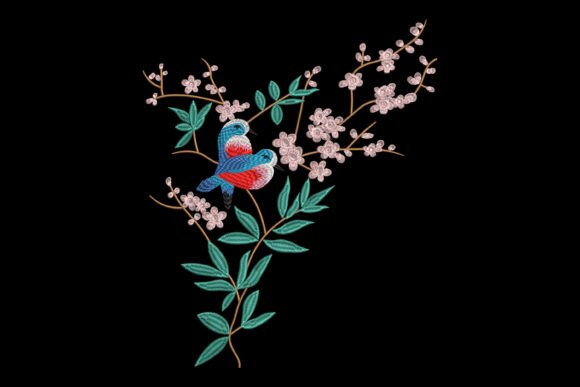
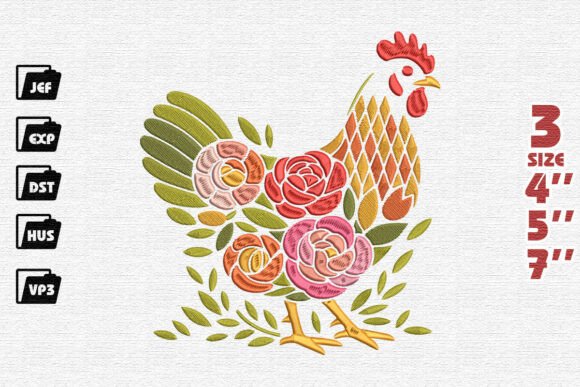
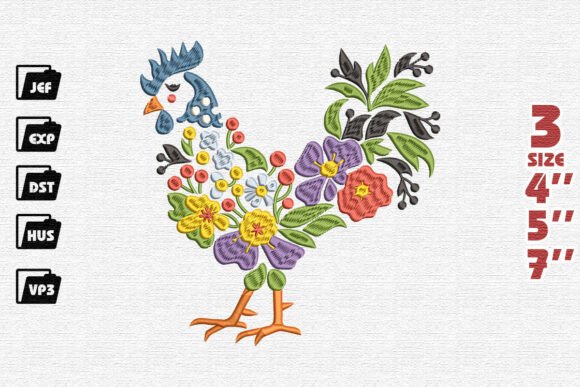
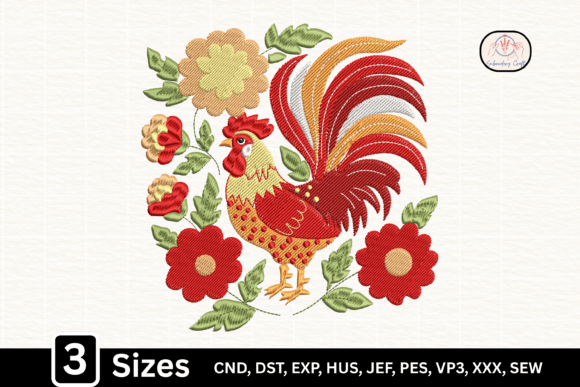
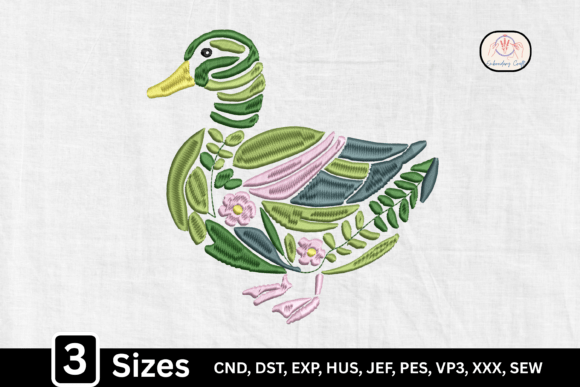
Opening the Botanical Floral Duck embroidery file on my design software, I immediately felt its quiet confidence. This isn’t a loud, trend-chasing bird motif—it’s a soft-spoken, hand-drawn elegance translated into precise machine embroidery. The duck shape is gentle and rounded, not cartoonish or stiff, with botanical elements woven *into* its silhouette: trailing pastel florals, delicate leaves, and subtle vines that suggest movement without clutter. It reads as feminine but not saccharine, whimsical but grounded—ideal for a boutique brand building visual consistency around calm creativity and nature-infused style.
How Botanical Floral Duck Performs Across Apparel Types
For sweatshirt embroidery, this design shines in chest placement—its balanced width (roughly 3–4 inches wide, depending on scaling) fits naturally above the left pocket without overwhelming the garment’s relaxed silhouette. On neutral heather grey or oatmeal sweatshirts, the soft pastel thread palette lifts the piece with quiet sophistication. On pastel hoodies—think blush, mint, or lavender—the floral accents harmonize rather than compete, reinforcing a cohesive seasonal collection.
On dark apparel like charcoal or navy hoodies, I recommend checking thread color contrast carefully. The original Botanical Floral Duck relies on light tonal variation; if your production uses darker thread substitutions, test how legibility holds across fabric textures—especially on fleece or brushed-back knits where stitch definition can soften. For oversized garments, scale up thoughtfully: maintain proportion by increasing both duck body and botanical elements uniformly—not just the outline—to preserve the design’s airy balance.
As a hoodie design, it works beautifully on sleeves (inner bicep or outer cuff), adding surprise detail without bulk. On t-shirts, keep sizing modest—under 3.5 inches wide—for breathable wear and clean drape. Denim jackets? A standout back placement (centered below the collar seam) gives vintage-meets-modern charm, especially when paired with tonal ecru or sage thread. Tote bags benefit from its organic flow—no rigid symmetry needed—and it photographs exceptionally well in lifestyle product photos, lending handmade warmth to social media graphics and Etsy listings.
Where to Use Botanical Floral Duck With Intention
This isn’t a one-size-fits-all motif. Its strength lies in thoughtful application. Avoid tight chest placements on ribbed fabric unless you’ve tested stabilizer support—those fine floral stems need structure to stay crisp. On highly stretchy fabrics (like lightweight French terry), use cutaway stabilizer and reduce tension slightly to prevent puckering around curved leaf edges. The duck’s head and wing contours sit well on gently curved surfaces (shoulders, upper back), but avoid placing the densest botanical clusters directly over seams or high-movement zones like underarms.
Don’t force tiny lettering into the composition—it wasn’t designed for monogram integration. And while it’s lovely on cozy seasonal outfits (think cable-knit vests or flannel-lined hoodies), skip ultra-bulky fabrics unless you confirm stitch density allows full coverage without stiffness. Always review the Botanical Floral Duck file’s actual stitch count and density before committing to production runs—some botanical fills can run denser than expected, affecting drape on lightweight knits.
Building Brand Value Through Thoughtful Embroidery
When used intentionally, Botanical Floral Duck elevates perceived value—not through flash, but through cohesion. It signals care in curation, aligning with customers who choose handmade product over mass-produced alternatives. For an Etsy seller or small shop product, it reinforces brand identity as gentle, intentional, and nature-aware. That consistency builds buyer trust: when shoppers see this same graceful motif across sweatshirts, totes, and denim jackets, they recognize your aesthetic instantly—even without a logo.
In commercial embroidery settings, its clean lines and moderate complexity translate reliably across machines, supporting professional presentation. Unlike overly intricate motifs that risk thread breaks or misalignment, Botanical Floral Duck balances decorative strength with practical execution—making it ideal for shops balancing speed and artistry. And because it avoids dated trends, it supports long-term visual consistency across seasons, reducing the need for constant rebranding.
Practical Notes Every Embroidery Designer Should Check
- Test on scrap fabric first—especially if using non-standard thread colors or blending metallics with matte cottons.
- Confirm stabilizer choice: medium-weight cutaway for knits, tear-away for stable wovens like denim or canvas.
- Review thread color contrast against your target garment—soft pastels recede on light backgrounds; consider slight saturation boosts for digital mockups.
- Verify hoop size compatibility: does the design fit comfortably within your most-used hoops? If scaling is needed, adjust proportionally.
- Inspect stitch density in floral fill areas—dense sections may require slower machine speeds or adjusted top tension.
- Always test on the *exact* fabric you’ll embroider—fabric texture dramatically impacts how botanical details read.
- Compare placement options visually: center chest, left chest, sleeve, or back—and photograph each for your printable mockup library.
- Before selling finished apparel, double-check Creative Fabrica’s licensing terms for this Botanical Floral Duck embroidery file—especially regarding commercial embroidery and resale rights.
Final Thoughts for Creative Fabrica Users
If you’re curating a small batch of custom apparel—whether for your own boutique brand, an Etsy launch, or client-driven merchandise—the Botanical Floral Duck offers more than decoration. It’s a quiet signature: feminine without cliché, detailed without fuss, and botanical without leaning into overdone cottagecore tropes. As a Birds category embroidery file, it stands apart through restraint and harmony. Used with intention, it becomes part of your brand’s visual language—not just an embellishment, but a quiet invitation to pause, notice, and connect. For embroidery shops and creative entrepreneurs building meaningful collections, that kind of resonance is rare—and worth every careful stitch.